The Best Freshwater Shrimp for Nano Aquariums: Ranked from Beginner to Expert
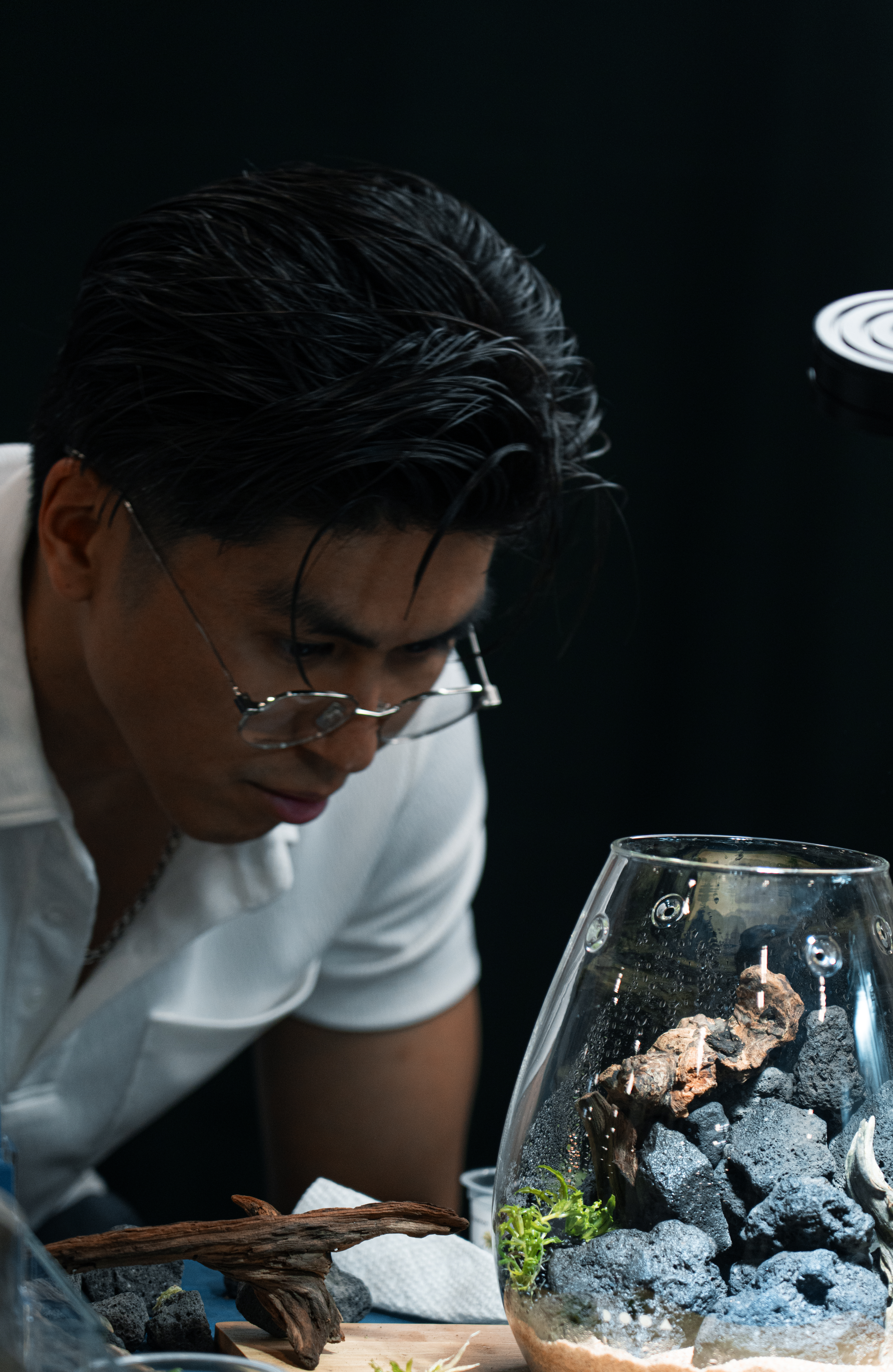
Beginner Level 1. Cherry Shrimp (Neocaridina davidi)
Difficulty: ⭐☆☆☆☆ (1/5)

Cherry Shrimp are the gold standard for beginners and one of the most popular freshwater shrimp in the hobby. Their bright red coloration, hardiness, and willingness to breed make them an ideal first shrimp for anyone starting a nano aquarium.
Unlike more sensitive species, Cherry Shrimp tolerate a wider range of water parameters and adapt well to low-tech planted tanks. They’re constantly grazing on biofilm, algae, and leftover food, making them entertaining to watch throughout the day. Best for
First shrimp tank
Low-tech planted aquariums
Nano tanks (5–20 gallons)
Care Tips
Having stable water conditions is very important.
Feed quality shrimp food 2–3 times per week alongside natural biofilm.
Avoid housing with fish large enough to eat them.
2. Yellow Goldenback Shrimp
Difficulty: ⭐⭐☆☆☆ (2/5)

Yellow Goldenback Shrimp are a selectively bred strain of Neocaridina known for their vibrant yellow bodies and bright golden stripe running along their backs. Their cheerful color creates a striking contrast against green aquatic plants.
They require nearly identical care to Cherry Shrimp and are equally suitable for beginners. Like other Neocaridina varieties, they readily reproduce in stable aquariums.
Why hobbyists love them:
Bright, eye-catching color
Hardy and forgiving
Excellent algae grazers
Active throughout the day
3. Orange Sakura Shrimp
Difficulty: ⭐⭐☆☆☆ (2/5)
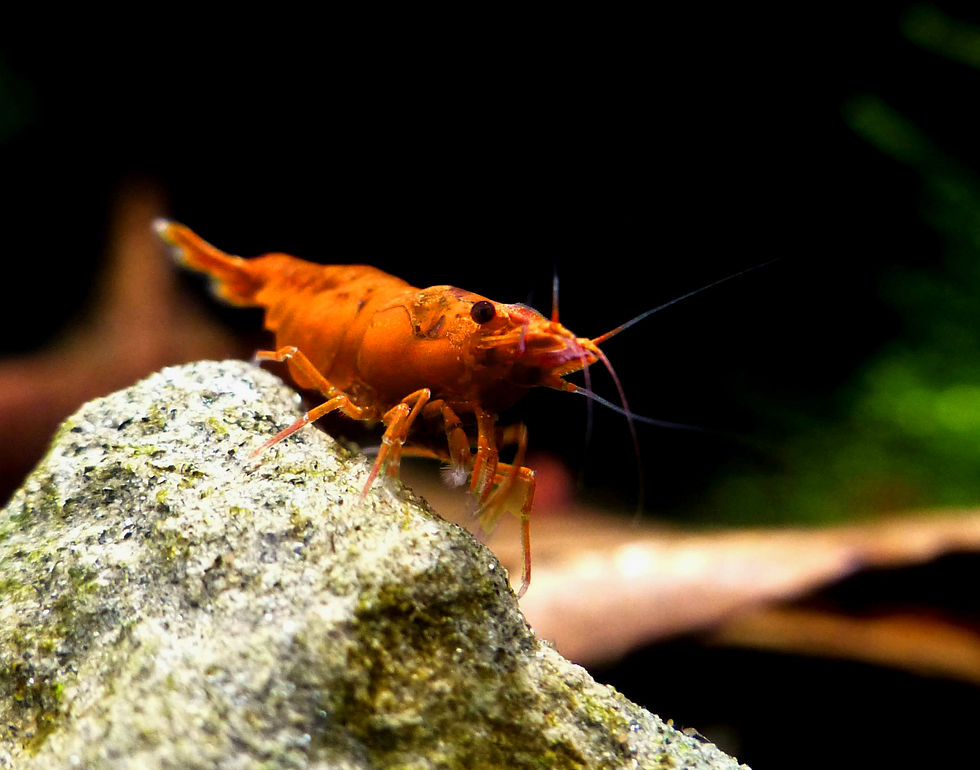
Orange Sakura Shrimp offer vivid orange coloration that stands out beautifully against dark aquascaping substrates. They are another selectively bred Neocaridina variety and share the same beginner-friendly nature as Cherry Shrimp.
They thrive in heavily planted aquariums where mosses, driftwood, and rocks provide plenty of surfaces for grazing.
Best Feature: One of the brightest orange shrimp available, making them one of the best freshwater shrimp for nano aquariums for those seeking warm colour accents.
Intermediate Level
4. Amano Shrimp (Caridina multidentata)
Difficulty: ⭐⭐⭐☆☆ (3/5)

Made famous by aquascaper Takashi Amano, Amano Shrimp are widely regarded as the best algae-eating shrimp in the aquarium hobby. They consume hair algae, diatoms, and leftover food more aggressively than most dwarf shrimp.
Unlike Cherry Shrimp, however, they will not reproduce in freshwater. Their larvae require brackish water to develop, so most specimens available in stores are wild-caught or commercially bred.
Pros
Exceptional algae control
Larger and more robust
Peaceful community shrimp
Long lifespan
Cons
Won’t breed in freshwater
Can become quite large for very small nano tanks
5. Blue Dream Shrimp (Neocaridina davidi)
Difficulty: ⭐⭐⭐☆☆ (3/5)

Blue Dream Shrimp are prized for their deep sapphire-blue coloration. Although their care requirements remain easy, maintaining consistently vibrant offspring requires selective breeding over multiple generations.
In healthy planted tanks, their blue coloration contrasts beautifully against lush green carpeting plants.
Ideal for: Hobbyists looking to expand beyond basic shrimp while still enjoying relatively straightforward care.
6. Black Rose Shrimp (Neocaridina davidi)

Black Rose Shrimp (Neocaridina davidi) are a selectively bred variety known for their rich, velvety black coloration. Their dark appearance contrasts beautifully against bright green aquatic plants and light-colored hardscape, making them a favorite among aquascapers.
Like other Neocaridina, they’re hardy, peaceful, and easy to breed, making them suitable for beginners who want something more unique than traditional Cherry Shrimp.
Pros
Deep black coloration
Hardy and beginner-friendly
Excellent algae and biofilm grazers
Breeds readily in freshwater
Advanced Level
7. Crystal Red Shrimp (Caridina cantonensis)
Difficulty: ⭐⭐⭐⭐☆ (4/5)
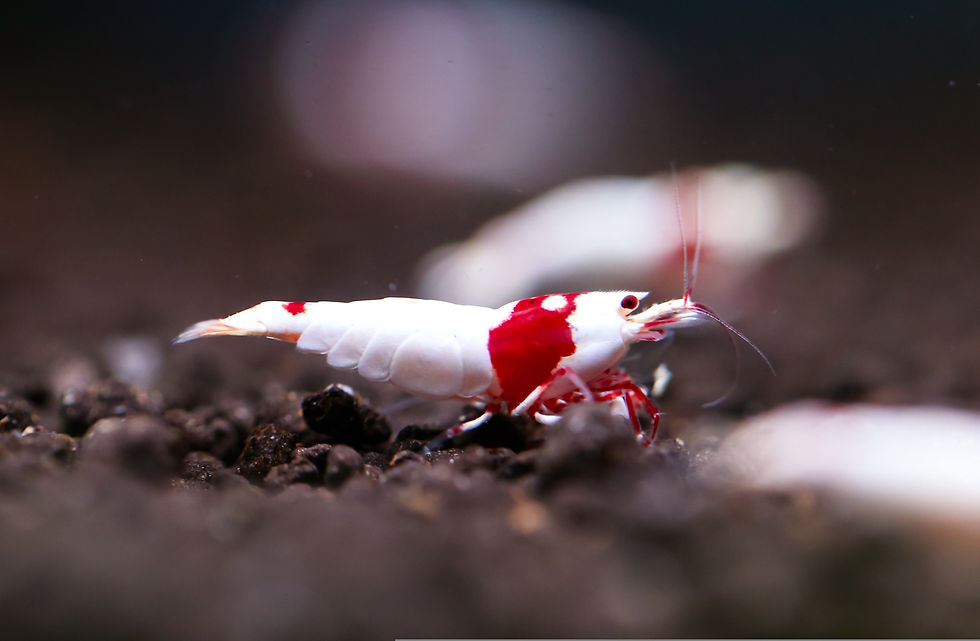
Crystal Red Shrimp are considered the gateway into advanced shrimp keeping. Their striking red-and-white patterns make them one of the most beautiful dwarf shrimp available, but they demand much greater water stability than Neocaridina species.
Successful keepers typically use:
RO (Reverse Osmosis) Water
Purified water that has had almost all minerals, chlorine, and other impurities removed. Starting with pure water allows shrimp keepers to control exactly what minerals are added back.
Remineralized Shrimp Minerals
Because RO water contains almost no minerals, special shrimp mineral products are added back to provide essential calcium, magnesium, and other minerals needed for healthy growth, successful molting, and breeding.
Active Buffering Substrate
Unlike ordinary aquarium gravel or sand, an active buffering substrate helps maintain a slightly acidic pH, which Crystal Red Shrimp prefer. It also helps keep water parameters stable over time.
Low TDS (Total Dissolved Solids)
TDS measures the total amount of dissolved minerals in the water. Crystal Red Shrimp thrive in relatively low TDS water—typically between 100 and 140 ppm. Keeping TDS stable is just as important as keeping it within the correct range.
Stable Temperatures
Crystal Red Shrimp are sensitive to sudden temperature changes. A consistent water temperature between 20–24°C (68–75°F) helps reduce stress and supports healthy molting and breeding.
8. Crystal Black Shrimp (Caridina cantonensis)
Difficulty: ⭐⭐⭐⭐☆ (4/5)

Crystal Black Shrimp have the same care requirements as Crystal Reds but feature elegant black-and-white markings. Their dramatic coloration complements minimalist aquascapes and high-end nature aquariums.
Many hobbyists eventually keep both Crystal Red and Crystal Black colonies, but they should understand the implications of selective breeding and maintaining desired patterns.
9. Tiger Shrimp (Caridina mariae and related varieties)
Difficulty: ⭐⭐⭐⭐☆ (4/5)
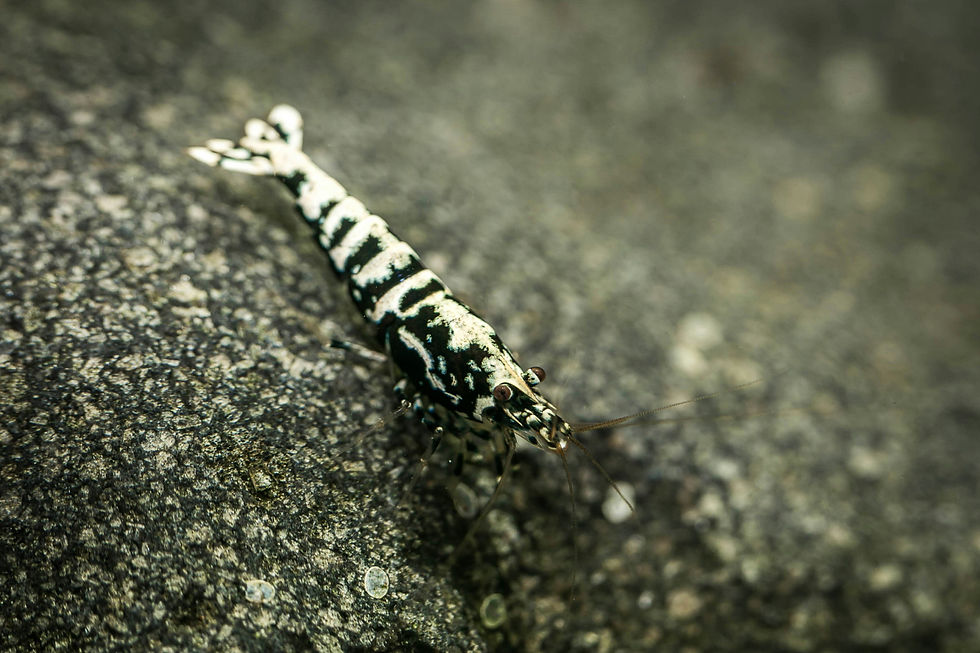
Tiger Shrimp are recognized by their vertical striping and translucent bodies. They are more sensitive to changing water conditions than Neocaridina and thrive in mature aquariums with stable parameters.
Modern selective breeding has also produced stunning blue and orange tiger varieties that are highly sought after by enthusiasts.
10. Taiwan Bee Shrimp
Difficulty: ⭐⭐⭐⭐☆ (4.5/5)
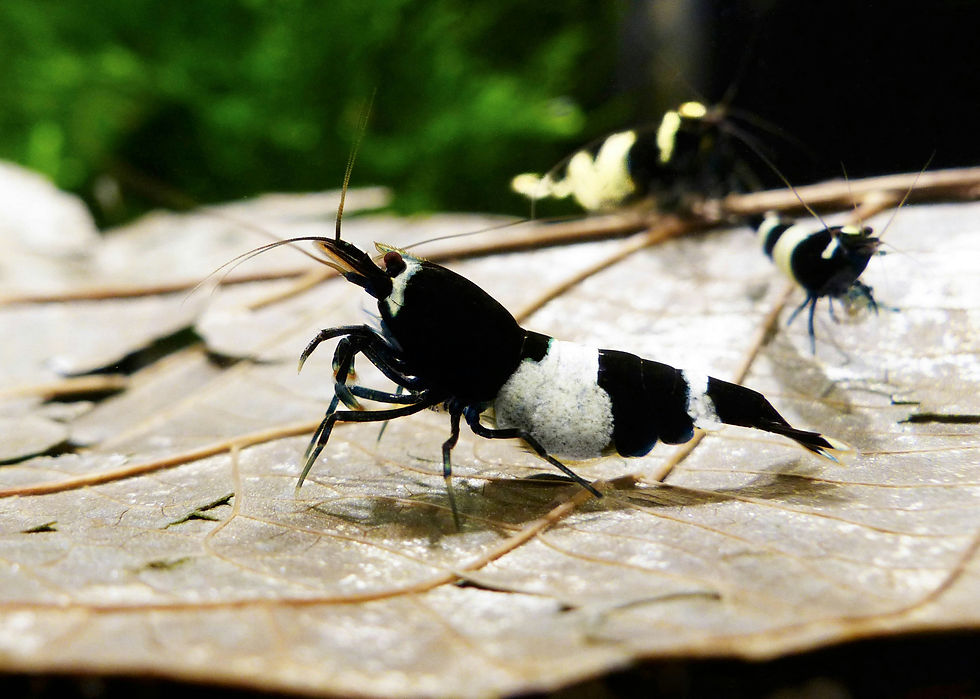
Taiwan Bee Shrimp include some of the most coveted shrimp in the hobby, such as Blue Bolt, King Kong, Panda, and Wine Red varieties. Their unusual colours and patterns make them premium display creatures.
However, they require:
RO water
Precise remineralization
Active substrate
Stable TDS
Careful feeding
Excellent water quality
These shrimp reward experienced keepers with some of the most spectacular colours available.
11. Sulawesi Cardinal Shrimp (Caridina dennerli)
Difficulty: ⭐⭐⭐⭐⭐ (5/5)

The Sulawesi Cardinal Shrimp is one of the most striking freshwater shrimp in the aquarium hobby. Endemic to the ancient lakes of Sulawesi, Indonesia, this rare species is instantly recognizable by its deep crimson-red body covered in brilliant white spots and long white antennae. Its vibrant coloration and unique appearance make it a prized centrepiece for dedicated shrimp keepers.
Unlike most freshwater shrimp, Sulawesi Cardinal Shrimp thrive in warm, alkaline water and require exceptionally stable conditions to remain healthy. Because of their specialized care requirements, they are recommended for experienced aquarists with mature aquariums designed specifically for Sulawesi species.
They need:
Warm water (27–30°C / 81–86°F)
High pH
Mineral-rich water
Exceptional stability
Mature aquariums
Sulawesi Cardinal Shrimp thrive in mature aquariums with abundant biofilm growing on rocks and hardscape. Avoid frequent changes to water chemistry, as stability is far more important than making constant adjustments.
Unlike most popular freshwater shrimp that prefer soft, acidic water, Sulawesi Cardinal Shrimp evolved in the ancient volcanic lakes of Sulawesi, where the water is naturally warm, clear, and alkaline. Their unique habitat is one of the reasons they remain one of the most specialized and rewarding shrimp species to keep.
Which Shrimp Will You Choose?
Comment below.
First shrimp ever? Cherry, Yellow Goldenback, or Orange Sakura.
Want the best algae eater? Amano Shrimp.
Looking for vibrant colors? Blue Dream or Orange Sakura.
Ready for a challenge? Crystal Red or Crystal Black.
Experienced shrimp breeder? Taiwan Bee.
Expert-only species? Sulawesi Shrimp.
Comments