How to Care for Your Nano Shrimp Aquascape
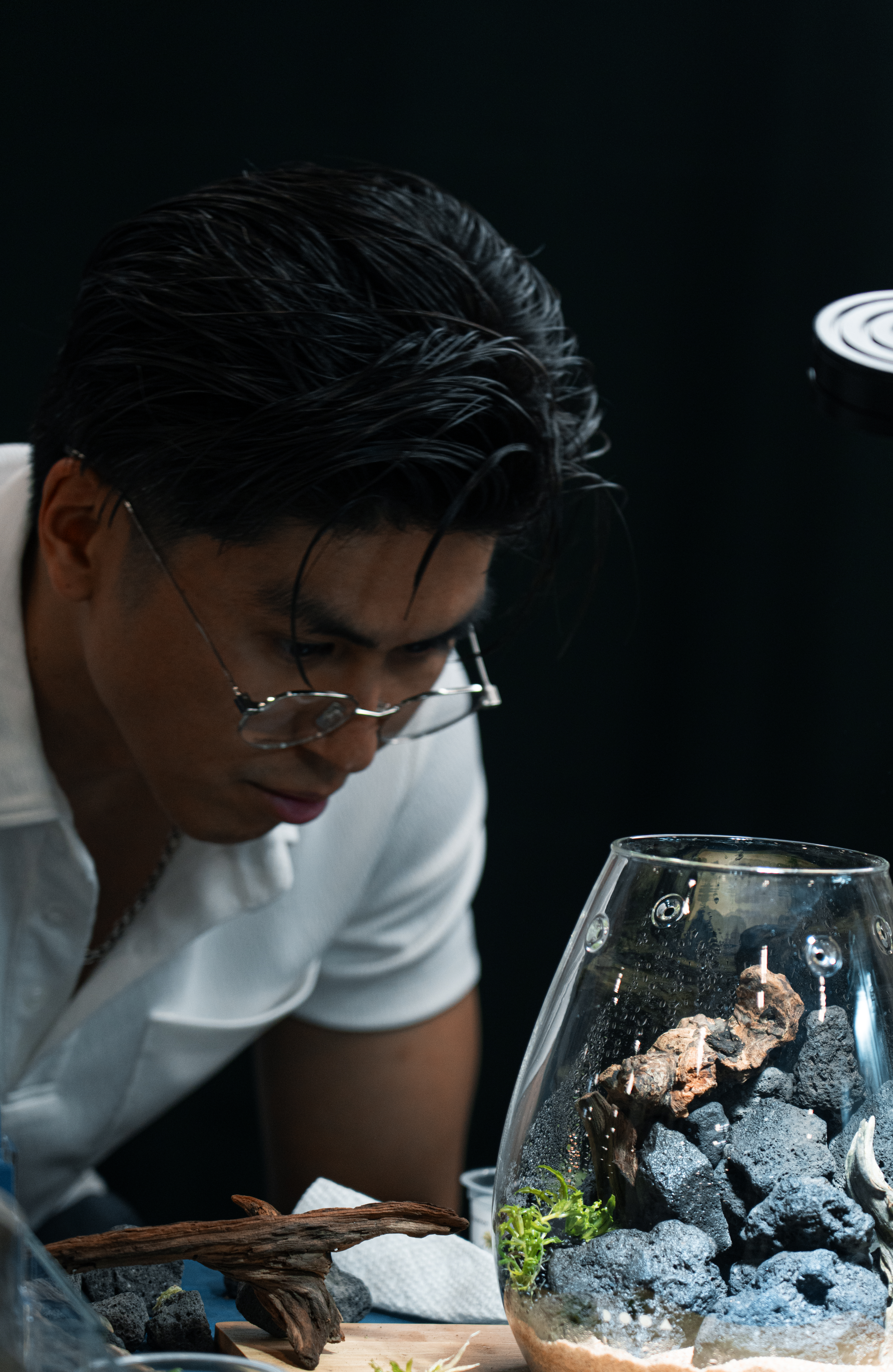
Bringing your nano shrimp aquascape home is an exciting part of the journey. As your plants settle in and begin to grow, you will start to see your underwater landscape evolve and take on a life of its own. The first few weeks are an important stage in helping your aquarium establish a healthy foundation. This guide will walk you through the key steps to support plant growth, maintain water quality, and set your nano aquascape up for long-term success.
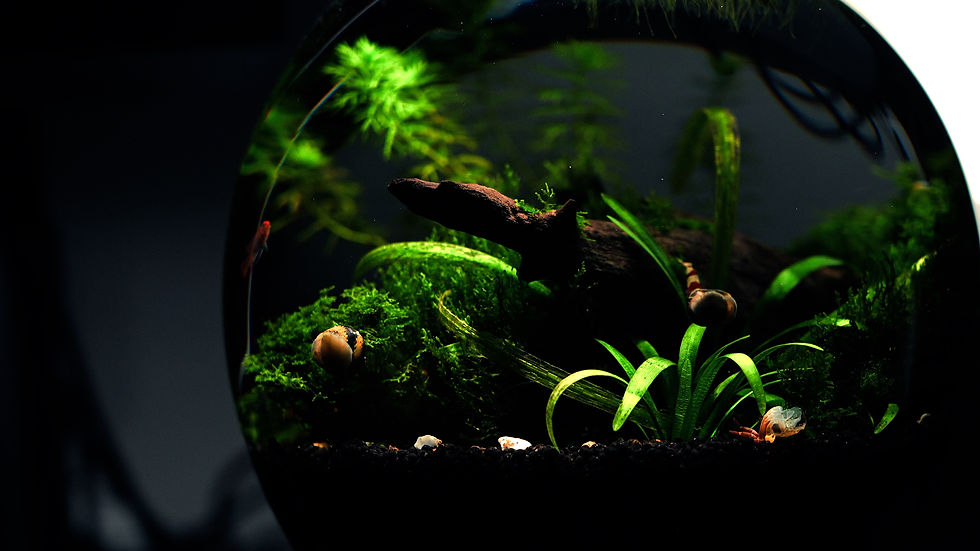
Setting Up Your Nano Shrimp Aquascape at Home
Step 1: Fill Your Aquarium
Once you arrive home, place your aquarium in its permanent location and slowly fill it with water. To avoid disturbing the layout, pour the water onto a small plate, plastic bag, or piece of paper towel placed inside the aquarium.
If using tap water, add a water conditioner according to the manufacturer’s instructions before introducing shrimp.
Step 2: Let the Aquarium Cycle
Your aquarium needs time to establish beneficial bacteria that help process waste and create a healthy environment for shrimp.
During this stage, keep the light on for 6–8 hours per day and allow the plants to settle and begin growing. The cycling process typically takes 2–4 weeks.
Patience during this stage will help create a more stable ecosystem over time.
Step 3: Monitor Water Levels
As water naturally evaporates, the water level will slowly drop. Use fresh tap water to fill and maintain the water level in your aquarium. Add water slowly to preserve the layout and prevent the substrate from being disturbed.
Step 4: Perform Regular Water Changes
After your aquarium has cycled, perform a 20–30% water change every 1–2 weeks. Water changes help keep the ecosystem healthy, maintain water clarity, and support plant growth.
To do a water change:
Remove 20–30% of the aquarium water using a small cup or siphon.
Avoid disturbing the plants and substrate.
Slowly refill the aquarium with fresh water until it reaches its original level.
Small, regular water changes are one of the best ways to keep your aquarium healthy and thriving.
Step 5: Care for Your Plants
As your plants begin to grow, you may notice new leaves and runners developing. Remove any dead leaves and trim plants occasionally to maintain the shape of your aquascape.
Step 6: Introduce Your Shrimp
After 2–4 weeks, your aquarium should be ready for shrimp. This waiting period allows the ecosystem to establish and creates a more stable environment. Before adding your shrimp, allow their container to float in the aquarium for 15–20 minutes to help them adjust to the water temperature.
Once introduced, your shrimp will begin exploring the aquascape, grazing on algae and biofilm, and becoming an active part of the ecosystem.
Step 7: Enjoy Watching Your Ecosystem Grow
Over the coming weeks and months, your aquascape will continue to mature. Plants will establish stronger root systems, new growth will emerge, and your shrimp will become more active as the ecosystem develops.

Tips for Long-Term Success
To keep your nano aquascape beautiful for years, consider these tips:
Be Patient Healthy aquariums take time to mature. Plant growth, biofilm, and ecosystem stability will develop gradually over several weeks.
Avoid Overfeeding Shrimp require very little food. Excess food can lead to poor water quality and algae issues.
Maintain a Consistent Light Schedule Keep your light on for 6–8 hours per day. Too much light can encourage algae growth, while too little may slow plant growth.
Observe Your Aquarium Regularly Spend a few minutes each day observing your plants and shrimp. Early signs of growth, algae, or changes in water quality are easier to address when caught early.
Comments