What Is Aquascaping? A Beginner’s Guide to Creating Underwater Landscapes
- Anthony Bui
- Jul 8
- 6 min read
Updated: Jul 11
If you’ve ever seen an aquarium that looks like a miniature forest, mountain valley, or underwater jungle, you’ve already experienced the art of aquascaping.
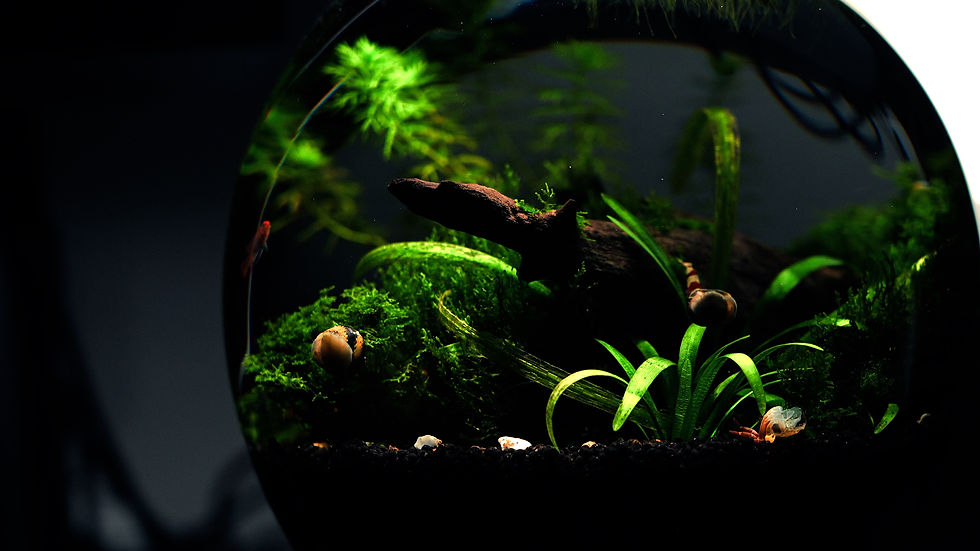
Aquascaping is the practice of designing and arranging aquatic plants, rocks, driftwood, and other natural materials to create beautiful underwater landscapes inside an aquarium. Think of it as landscape design, but beneath the water’s surface.
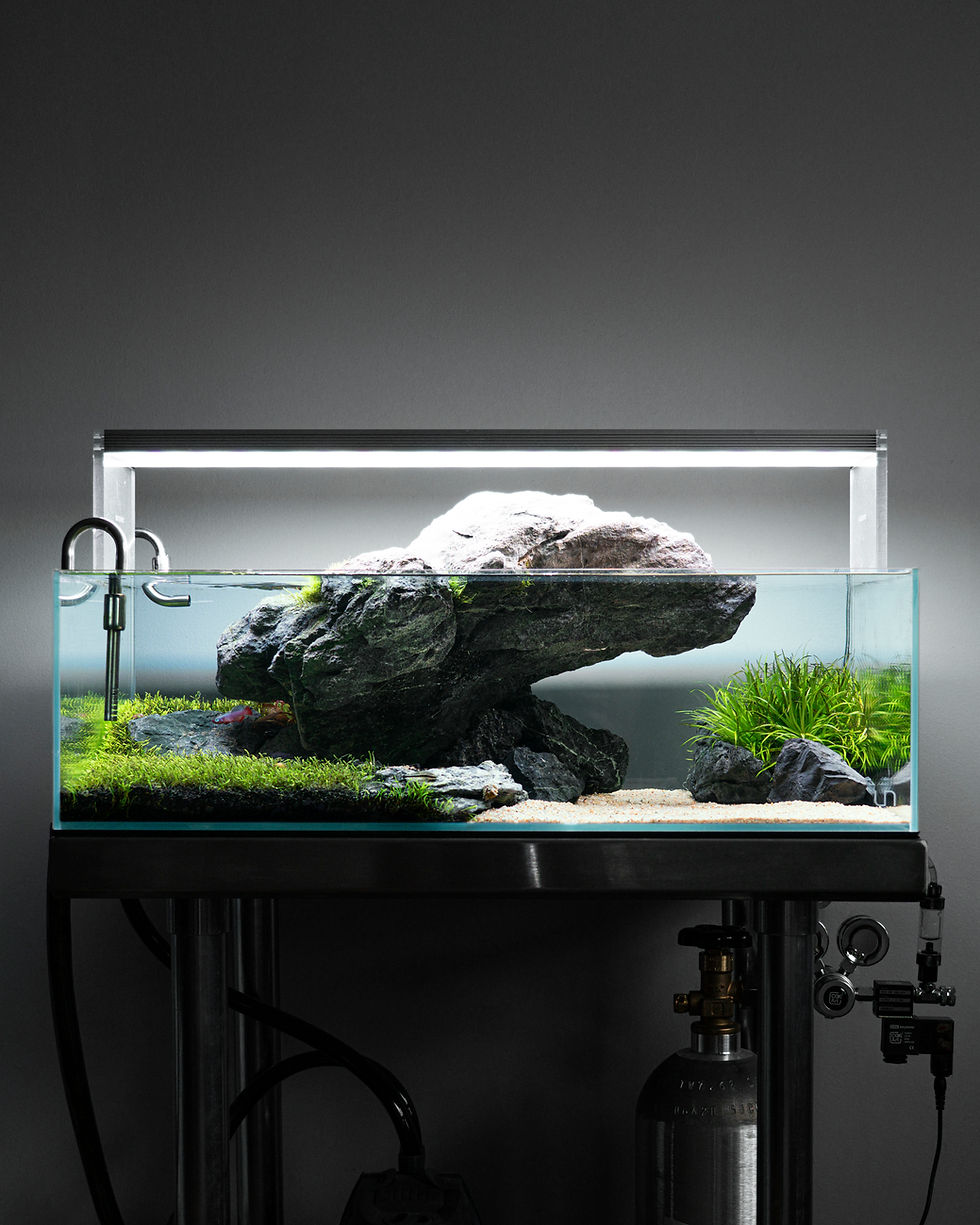
While fish are often part of an aquascape, the layout itself is the main focus. Every stone, piece of wood, and plant is placed to create balance, depth, and a natural sense of harmony.
Whether you’re looking for a relaxing new hobby or want to bring a piece of nature into your home, aquascaping offers a creative and rewarding experience for beginners and experienced hobbyists alike.
What Makes Aquascaping Different From a Regular Aquarium?
A traditional aquarium is often designed primarily around keeping fish healthy and displaying aquatic life.
An aquascape combines fishkeeping with design. Every element is artistically arranged to recreate natural environments inspired by rivers, forests, mountains, and wetlands.
Instead of simply decorating a tank, aquascapers carefully consider:
Composition
Balance
Scale
Plant growth
Water quality
Long-term maintenance
The result is a living ecosystem that changes and matures over time.
Unlike many traditional aquariums, aquascapes are typically created using natural materials such as stone, driftwood, aquatic plants, and natural substrates. Visible artificial decorations like plastic plants, brightly coloured gravel, castles, or ornaments are generally avoided in favour of recreating landscapes inspired by nature. The goal is to build a living ecosystem that feels authentic, where every element works together as part of the composition.
Why Is Aquascaping So Popular?
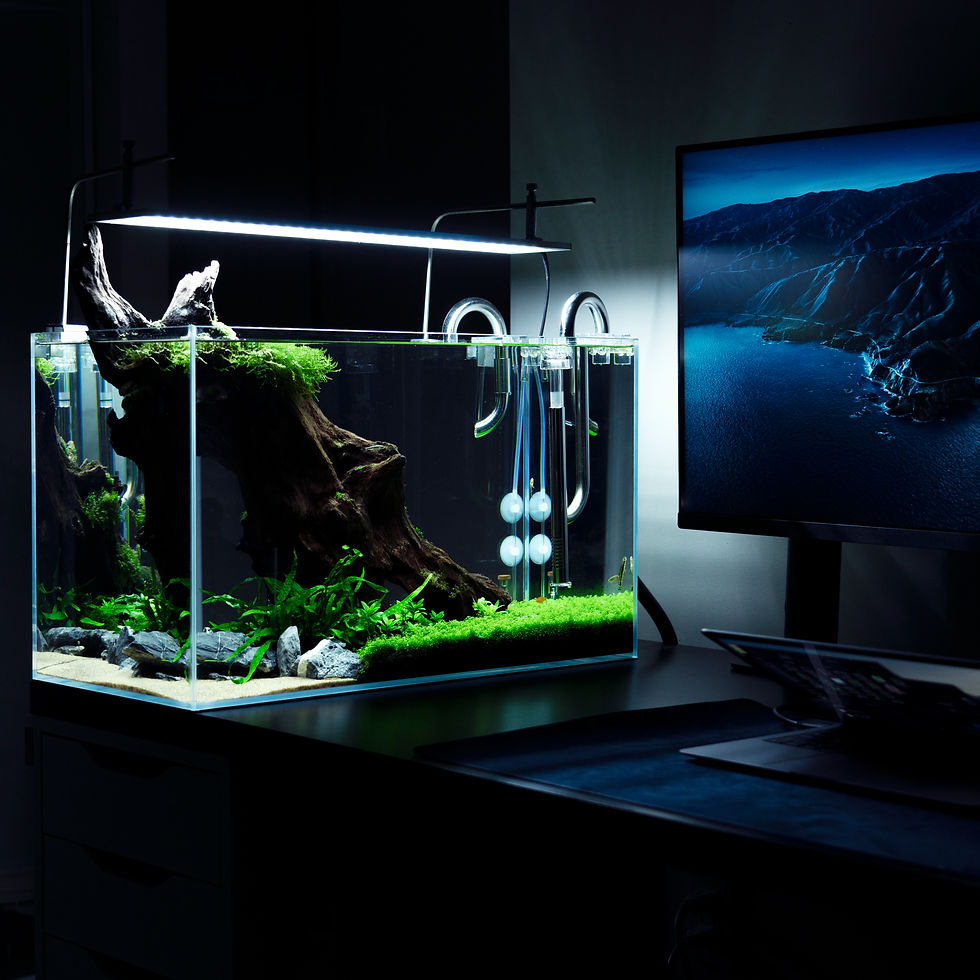
Aquascaping has become one of the fastest-growing nature hobbies because it combines creativity with relaxation.
Many people enjoy aquascaping because it allows them to:
Express their creativity
Reduce stress and anxiety
Learn about aquatic plants
Create thriving ecosystems
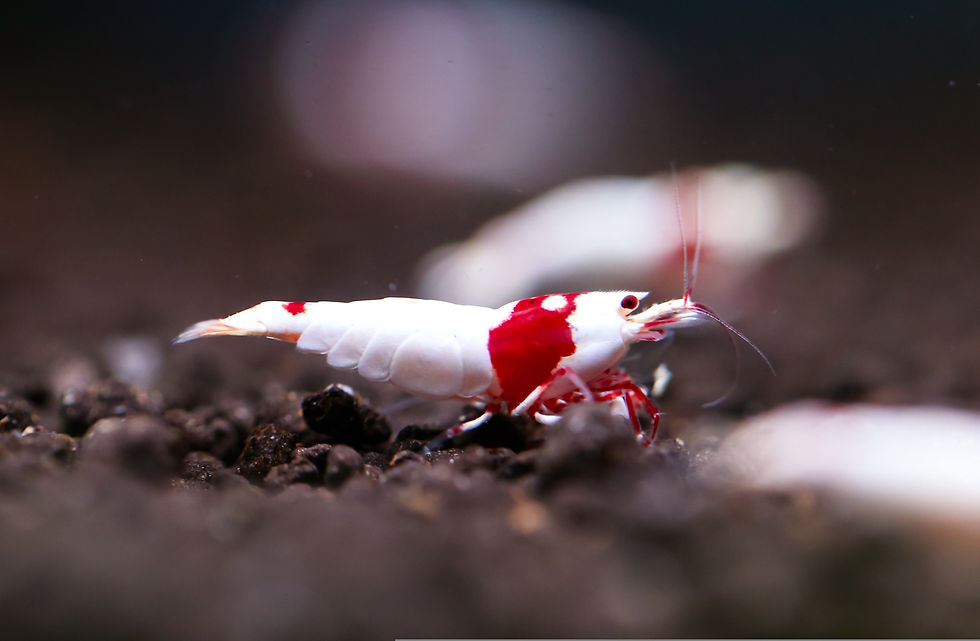
Keep freshwater shrimp or fish
Bring nature indoors
Build a beautiful focal point for their home or office
Many hobbyists describe maintaining an aquascape as a calming weekly ritual that helps them disconnect from screens and reconnect with nature.
The Main Elements of an Aquascape
Every aquascape is built using a combination of natural materials.
1. Hardscape
Hardscape refers to the permanent structural elements inside an aquarium.


This includes:
Natural stones
Driftwood
Lava rock
Decorative wood branches
These materials create the framework that gives the layout its overall shape.
2. Aquatic Plants
Plants bring an aquascape to life by adding colour, texture, and movement.
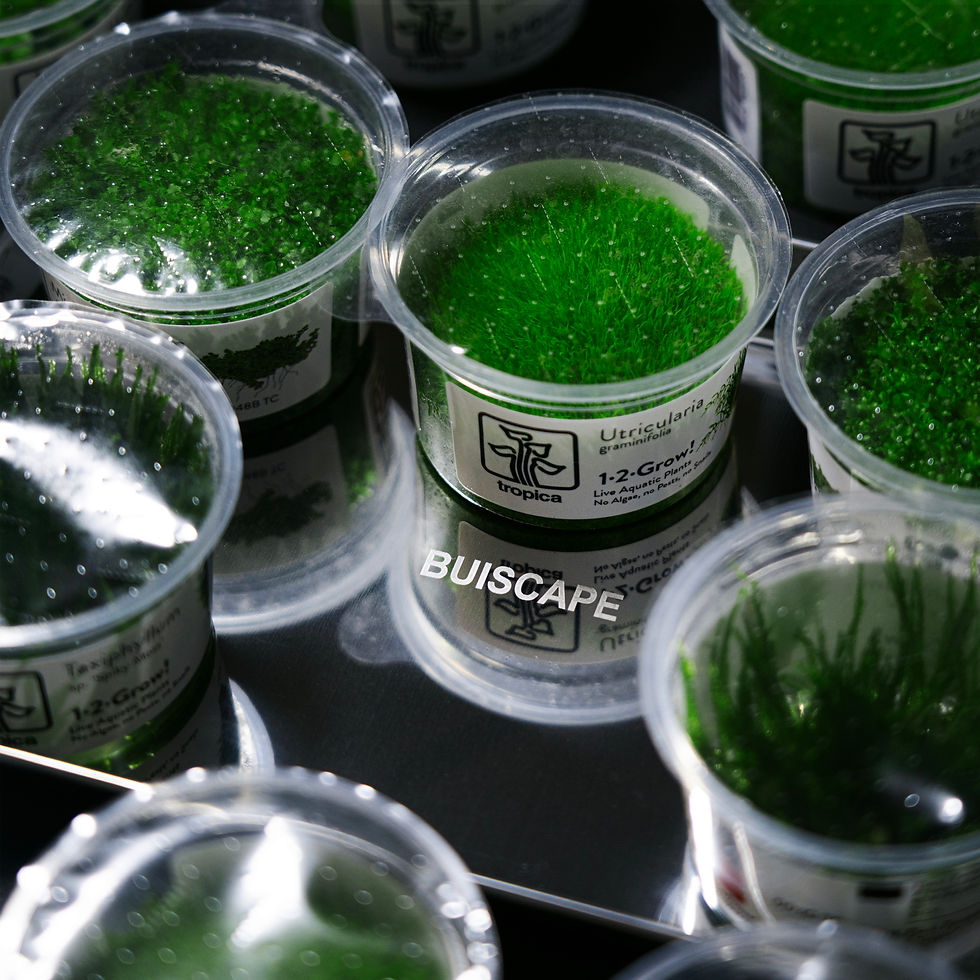
Popular beginner plants include:
Anubias
Java Fern
Java Moss
Cryptocoryne
Bucephalandra
These species are known for being relatively easy to care for.
3. Substrate
Aquatic soil or gravel provides nutrients that help plants establish healthy root systems while creating the foundation of the aquarium.
4. Livestock
Many aquascapes include peaceful fish, freshwater shrimp, or snails that complement the planted environment while helping maintain the ecosystem.

Different Styles of Aquascaping
Although every aquascape is unique, most layouts fall into one of several popular design styles.

Nature Style
Inspired by forests, rivers, and mountains, Nature Style aquascapes recreate realistic landscapes using driftwood, rocks, and lush plant growth.
Iwagumi
An Iwagumi aquascape focuses on carefully arranged stones with minimal plant species, creating a clean and minimalist appearance.
Dutch Style
Dutch aquascapes emphasize colourful aquatic plants arranged in layers to create depth and contrast.
Is Aquascaping Difficult?

Not at all.
While professional aquascapes can become incredibly detailed, beginners can create beautiful planted aquariums with just a few easy-to-grow plants and simple hardscape materials.
Like gardening, you’ll continue learning as your aquarium grows.
The key is starting with realistic expectations and choosing plants that match your experience level.
How to Start Your First Aquascape
Getting started with aquascaping is easier than most beginners expect. While the designs you see online may look intimidating, every beautiful aquascape begins with a few simple materials, thoughtful planning, and a little patience.
1. Choose the Right Tank
For beginners, a nano aquarium between 3 and 10 gallons is an excellent place to start. Smaller aquariums require fewer materials, are easier to maintain, and provide plenty of room to create a beautiful underwater landscape.
Look for a high-quality glass aquarium with clear, low-iron glass to showcase the colours and details of your aquascape.

2. Build Your Foundation
Every aquascape begins with its hardscape. Arrange natural stones, driftwood, or both to create the overall structure and flow of your design before adding any plants.
Take your time experimenting with different layouts. A strong hardscape provides the foundation that your plants will grow around over time.
3. Select Beginner-Friendly Aquatic Plants
Choose hardy aquatic plants that are easy to care for and grow well in a variety of conditions. Some excellent beginner choices include:

Anubias
Bucephalandra
Java Fern
Cryptocoryne
Monte Carlo
Aquatic Mosses
Using a variety of leaf shapes, sizes, and textures creates a more natural and visually interesting aquascape.
4. Plant and Fill Your Aquarium
Once you’re happy with your layout, carefully plant your aquarium using aquascaping tweezers. Add water slowly to avoid disturbing the substrate and hardscape. Many hobbyists pour water onto a small dish or plastic bag to reduce movement while filling the aquarium.
After planting, install your filter and lighting, and begin caring for your new aquascape.
5. Allow Your Aquascape to Grow
One of the most rewarding parts of aquascaping is watching your aquarium evolve over time. Plants will establish their roots, fill in empty spaces, and gradually transform your layout into a thriving underwater ecosystem.
Regular trimming, water changes, and basic maintenance will keep your aquascape healthy and looking its best.
Don’t Be Afraid to Start
Every experienced aquascaper began with their very first aquarium. Your first layout doesn’t need to be perfect. Aquascaping is a creative process that develops with practice, observation, and patience.
If you’d rather learn with expert guidance, consider joining one of our Nature Lab Aquascape Workshops in Toronto. We’ll provide the plants, materials, tools, and step-by-step instruction so you can build your own living underwater landscape to take home.
Learn Aquascaping with Buiscape

Reading about aquascaping is a great place to start, but nothing compares to learning through hands-on experience. Whether you’re setting up your very first planted aquarium or looking to refine your skills, our guided workshops make it easy to build confidence while creating a beautiful underwater landscape.
We offer beginner-friendly aquascaping workshops in Toronto, as well as private one-on-one aquascaping sessions tailored to your goals.
Looking for a unique group experience? Our private events and corporate aquascaping workshops are perfect for team building, client appreciation events, birthdays, and community gatherings.
Every session includes premium materials, expert guidance, and the opportunity to create a living aquascape or terrarium to take home.
Explore our upcoming Nature Lab Workshops or contact us to book a private or corporate aquascaping experience.
Frequently Asked Questions
Is aquascaping expensive?
It doesn’t have to be. Many beautiful beginner aquascapes can be created using a small aquarium and a handful of hardy plants. As your interest grows, you can invest in more advanced equipment if you choose.
Can beginners do aquascaping?
Absolutely. With the right plants and a simple layout, aquascaping is a hobby that anyone can enjoy, regardless of experience.
Do aquascapes need fish?
No. Many aquascapes are plant-only, while others include freshwater shrimp, snails, or peaceful fish. The design of the underwater landscape is the main focus.
How long does an aquascape last?
With regular care, an aquascape can thrive for many years. Plants grow and change over time, allowing the layout to evolve naturally.
Comments